
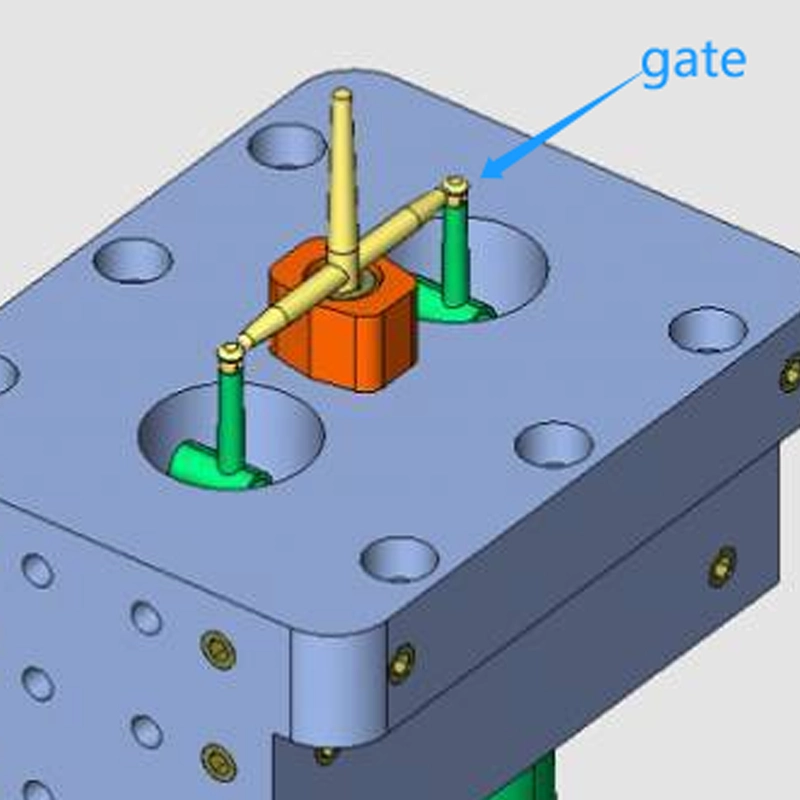
At LSRmold, we regularly work with global brands, product developers, and procurement teams who need guidance on optimizing injection molding designs. One of the most critical yet often overlooked aspects of mold design is the gate. Selecting the correct gate type and placement directly impacts product quality, manufacturing efficiency, tooling lifespan, and overall production cost.
For manufacturers, suppliers, and OEM partners, understanding gate design is essential during the DFM (Design for Manufacturability) stage. A well-designed gate ensures balanced filling, reduces defects, and helps deliver high quality molded parts consistently.
What Is an Injection Moulding Gate?
In injection molding, the gate is the small opening that allows molten plastic to flow from the runner system into the mold cavity. It is essentially the final transition point where the polymer enters the part geometry.
While the gate itself is small, it plays a critical role in controlling:
- Flow rate of molten plastic
- Packing pressure distribution
- Cooling behavior
- Surface finish and aesthetics
A properly engineered gate helps ensure smooth filling, reduces stress marks, and supports consistent mass production.
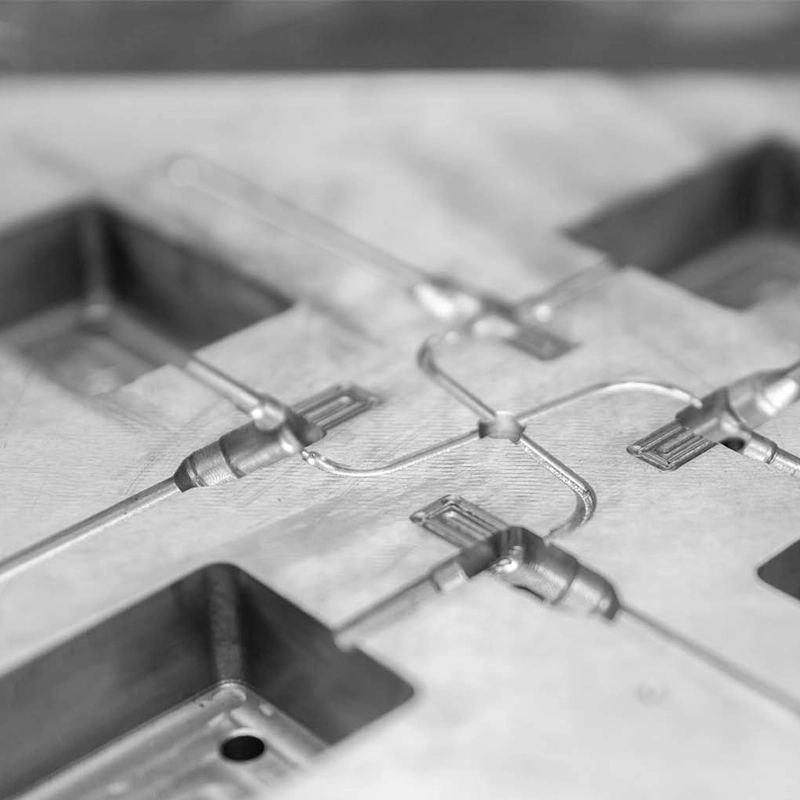
Why Gate Type and Placement Matter
Gate design is a key element in tooling engineering. The wrong gate type or poor placement can cause manufacturing issues such as:
- Sink marks
- Weld lines
- Warpage
- Air traps
- Flow hesitation
- Excessive gate marks
During the DFM review, experienced manufacturers analyze part geometry, wall thickness, and material characteristics to determine the optimal gate solution.
For OEM service providers and plastic injection suppliers, optimizing gate design also improves:
- Cycle time efficiency
- Mold durability
- Part consistency across large production runs
This is why professional mold manufacturers invest heavily in engineering analysis and simulation before finalizing a mold design.
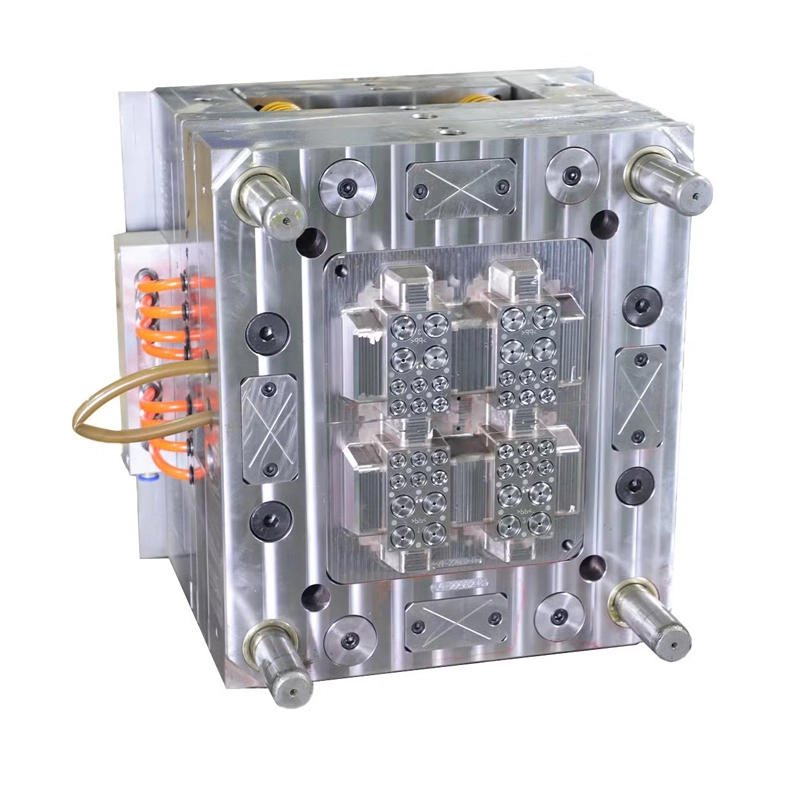
The 7 Most Common Injection Moulding Gate Types
Different plastic parts require different gate designs depending on geometry, material, and performance requirements. Below are the seven most widely used gate types in injection molding.
1. Edge Gates
Edge gates are among the simplest and most commonly used gate designs. They are located along the edge of the part and allow material to flow directly into the cavity.
Advantages:
- Easy to machine in mold tooling
- Suitable for large parts
- Good flow control
However, edge gates may leave a visible gate mark, so they are typically placed in non-cosmetic areas.
2. Tunnel or Submarine (Sub) Gates
Tunnel gates are automatically trimmed during part ejection, making them highly efficient for automated production.
Benefits include:
- Reduced secondary processing
- Clean separation from runner system
- Ideal for high-volume manufacturing
They are widely used by manufacturers producing consumer products, medical components, and automotive parts.
3. Cashew Gates
Cashew gates are curved tunnel gates designed to feed the part from beneath the surface. This design allows gate marks to be hidden on the backside of the component.
Key advantages:
- Improved cosmetic appearance
- Hidden gate location
- Suitable for visible consumer products
4. Direct Sprue Gates
Direct sprue gates feed material directly from the sprue into the mold cavity.
This type is commonly used for:
- Large parts
- Thick-walled components
- Simple mold structures
However, sprue gates typically require manual trimming after molding.
5. Fan Gates
Fan gates spread molten plastic over a wider area as it enters the cavity, which helps reduce shear stress and flow marks.
They are particularly useful for:
- Thin-wall parts
- Flat components
- Transparent materials
Fan gates promote more uniform filling and reduce internal stress in the molded part.
6. Diaphragm Gates
Diaphragm gates are designed to distribute material evenly around circular parts, such as tubes or cylindrical components.
Advantages include:
- Balanced radial flow
- Reduced weld lines
- Improved dimensional stability
They are often used for products requiring precise circular geometry.
7. Pin Gates
Pin gates are commonly used in hot runner systems. They are small and leave minimal gate marks, making them ideal for cosmetic parts.
Common applications include:
- Consumer electronics
- Medical devices
- Automotive interior components
Pin gates are highly efficient for automated production environments.
How to Choose the Right Gate Type and Placement
Selecting the optimal gate design requires engineering analysis and experience. During mold development, manufacturers evaluate several key factors.
1. Part Shape and Size
Complex geometries often require specialized gate designs to ensure proper filling.
Large parts may require multiple gates, while small precision components may only need a single pin gate.
2. Gate Size
Gate dimensions influence flow rate, packing pressure, and cooling performance.
A gate that is too small may cause short shots, while an oversized gate can create excessive marks and material waste.
Experienced tooling engineers optimize gate size through DFM analysis and mold flow simulation.
3. Gate Placement
Proper gate placement ensures balanced filling and minimizes defects.
Strategic positioning helps:
- Reduce weld lines
- Improve surface finish
- Prevent warpage
- Maintain dimensional stability
Gate location should always be considered early in product development.
Conclusion
Gate design is a critical element in successful injection molding projects. The right gate type and placement help ensure efficient production, high quality parts, and minimal defects.
For product developers and procurement teams working with global suppliers, early collaboration with experienced mold manufacturers is essential. Proper DFM evaluation, tooling design, and engineering simulation will dramatically improve product performance and manufacturing reliability.
Partner with Experts for Professional Gate Design
At LSRmold, we specialize in precision mold manufacturing, tooling engineering, and OEM service for global customers.
Our engineering team supports clients through:
- Product DFM analysis
- Mold flow simulation
- Custom mold design and tooling
- High quality injection molding production
- Scalable manufacturing solutions
Whether you are developing a new product or optimizing an existing design, our experienced manufacturer and supplier network ensures reliable production and competitive cost.
If you’re planning a new injection molding project, feel free to contact our team. We’d be happy to review your design, recommend the best gate strategy, and help you move from concept to production efficiently.
FAQs
1. What is the main purpose of a gate in injection moulding?
The gate controls how molten plastic enters the mold cavity, influencing flow behavior, pressure distribution, and part quality.
2. How do I decide which gate type is best for my part?
The optimal gate depends on part geometry, material selection, wall thickness, and production volume. A DFM analysis by an experienced manufacturer is recommended.
3. Can gate design affect part defects?
Yes. Poor gate design can lead to defects such as weld lines, sink marks, air traps, and warpage.
4. What materials are compatible with all gate types?
Most thermoplastics such as ABS, PP, PC, and nylon can work with multiple gate types, though some materials require specific designs depending on viscosity and flow behavior.
5. What is the ideal gate size for injection moulding?
Gate size depends on material viscosity, wall thickness, and part size. Mold flow analysis is commonly used to determine the optimal dimensions.
6. How can gate placement improve part aesthetics?
By placing the gate in hidden areas or using pin or tunnel gates, manufacturers can minimize visible marks on cosmetic surfaces.
7. What software tools are used to optimize gate design?
Common engineering tools include Autodesk Moldflow, Moldex3D, and SolidWorks Plastics, which simulate material flow and optimize gate placement during tooling design.