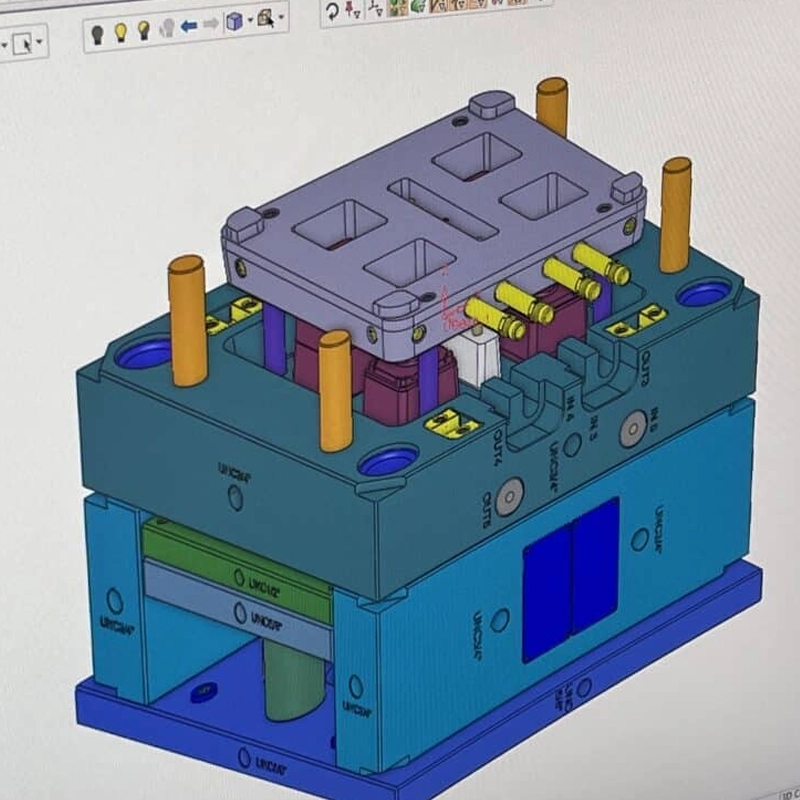
At Lsrmold, a precision manufacturer and trusted partner to global toolrooms and suppliers, we design hot runner systems that balance thermal control, flow uniformity, maintainability, and long-term reliability. Hot runner technology is a central enabler of high-quality, high-efficiency injection molding for complex parts and multi-cavity molds. This article explains the engineering principles, advanced strategies, and practical guidelines you need to deliver production excellence—whether you’re an OEM, mold builder, or product development engineer.
Principles of Hot Runner Mold Architecture
Hot runner architecture is the blueprint that determines part consistency, cycle time, and serviceability. Good architectures start by aligning part layout, cavity gating strategy, and thermal zoning to meet both quality and production targets.
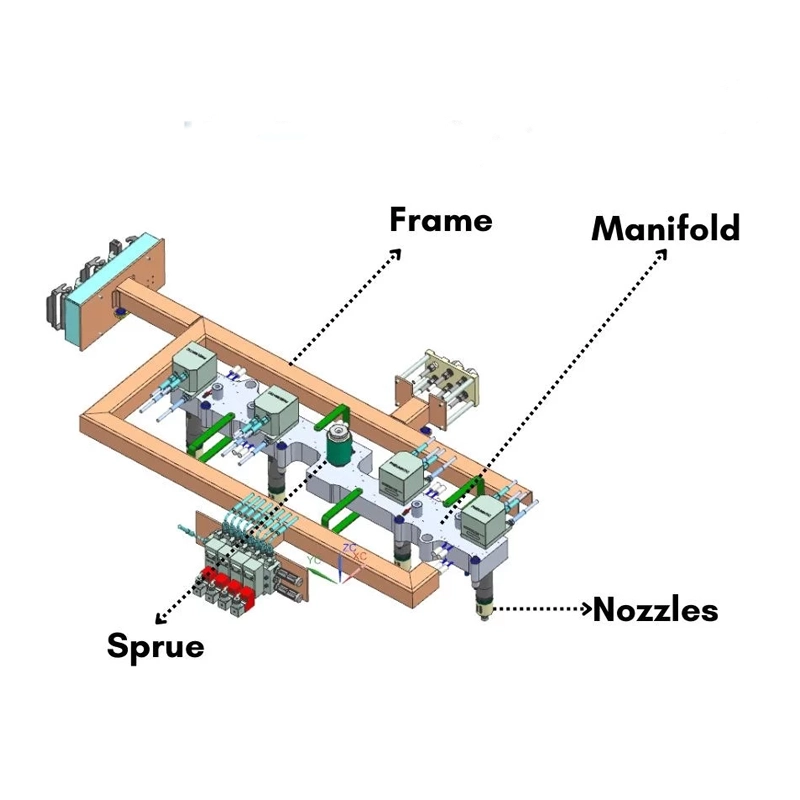
Manifold Design Engineering
The manifold is the distribution backbone. Key principles include:
- Balanced flow paths to ensure cavity-to-cavity pressure and temperature parity.
- Minimal dead volume to avoid stagnation and degradation of polymer.
- Proper channel cross-sectioning based on melt viscosity, shear sensitivity, and target fill times.
- Material choice and surface finish to minimize thermal gradients and reduce residence time.
Manifold geometry must be simulated and validated for the specific polymer family—engineering thermoplastics require different channel profiles than commodity materials.
Nozzle and Gate Design Selection
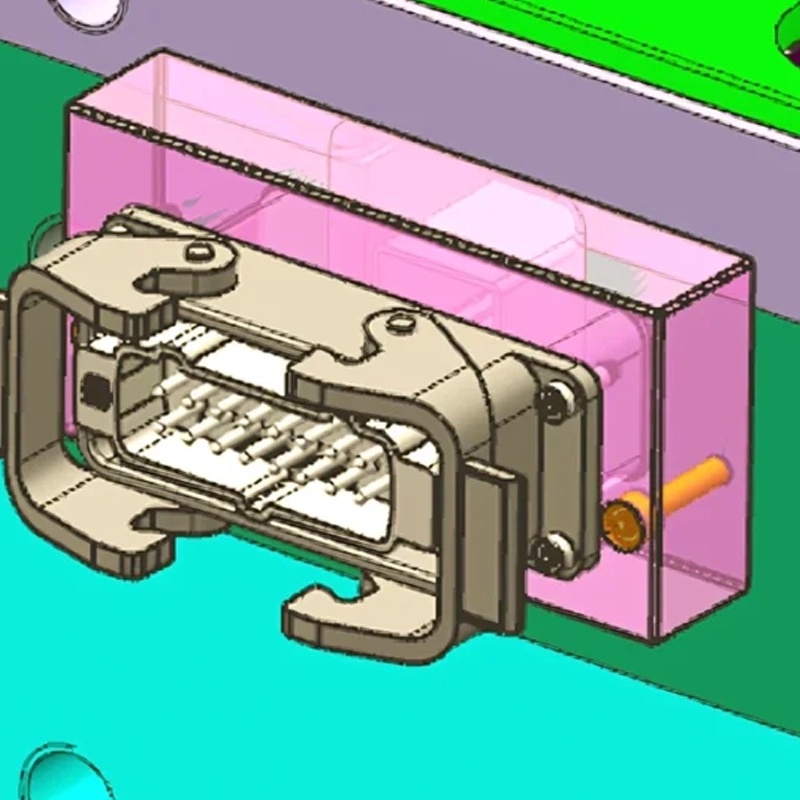
Nozzles and gates translate melt flow into the cavity with minimal shear and visual defects. Design considerations:
- Gate type (submarine, valve gate, pin gate, edge gate) selected by part aesthetics, dimensional control, and de-gating needs.
- Gate thickness and land length tuned to reduce jetting, weld lines, and sink/void risks.
- Valve gate systems offer clean gates and automated trimming but add mechanical complexity and maintenance points.
Gate and nozzle selection is inseparable from mold venting, packing strategy, and post-mold operations.
The Thermal Management Ecosystem
Thermal control is the hot runner’s lifeblood. Key tactics:
- Zonal heaters with precise PID control to maintain stable melt temperatures.
- Proper insulation to minimize heat loss and reduce energy consumption.
- Sensor placement and calibration to compensate for ambient and machine-related thermal drift.
- Consideration for polymer-specific temperature windows to avoid degradation or incomplete flow.
Good thermal design reduces cycle variation, improves surface quality, and extends component life.
Advanced Design Strategies for Complex Applications
For multi-material molding, thin-wall parts, or extremely high-cavity counts:
- Use multi-stage manifolds and sequential gating to control fill order.
- Co-injection-compatible designs that separate skin/core melt paths.
- Hybrid designs combining hot-runner nozzles with cold-runner inserts for specific regions to reduce material waste.
Advanced strategies must be validated with CAE and pilot tooling to balance risk and payoff.
Simulation and Analysis in Design
Moldflow and CFD tools are essential for predicting fill patterns, shear heating, pressure drops, and temperature profiles. Simulations inform manifold channeling, gate placement, and nozzle sizing—reducing iterations and tooling risk. Use iterative CAE alongside empirical tool trials to converge on a production-ready solution.
Design for Manufacturability, Maintenance, and Longevity (DFM/DFL)
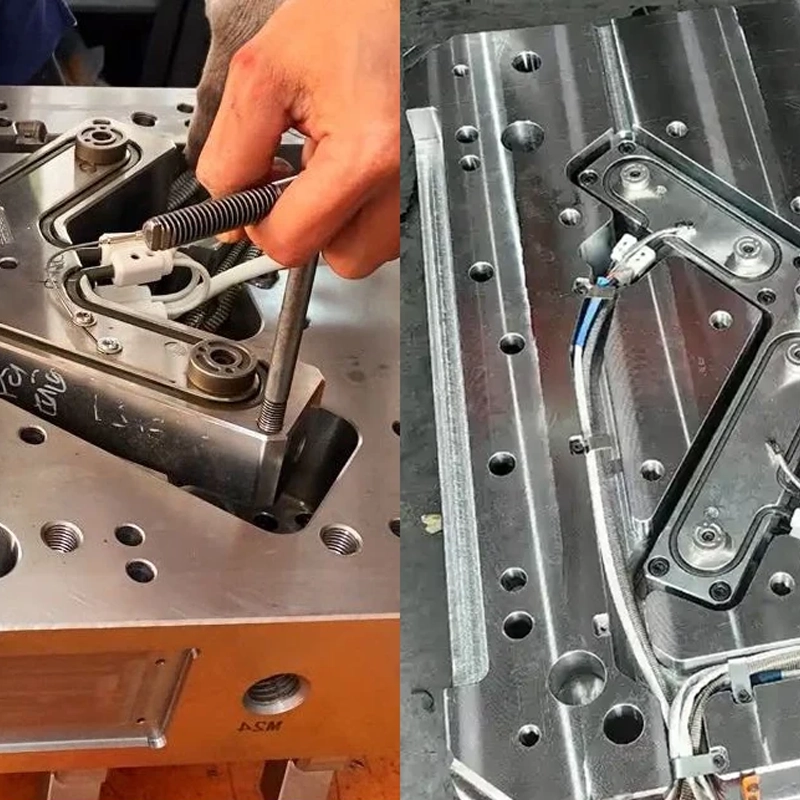
Designs should minimize complex machine operations and ease maintenance:
- Modular manifolds and quick-disconnect heaters simplify service.
- Access corridors for valve actuators, thermocouples, and heater replacements increase uptime.
- Standardized spare parts across mold families reduce inventory overhead for suppliers and molders.
Design Process: From Part Print to Production
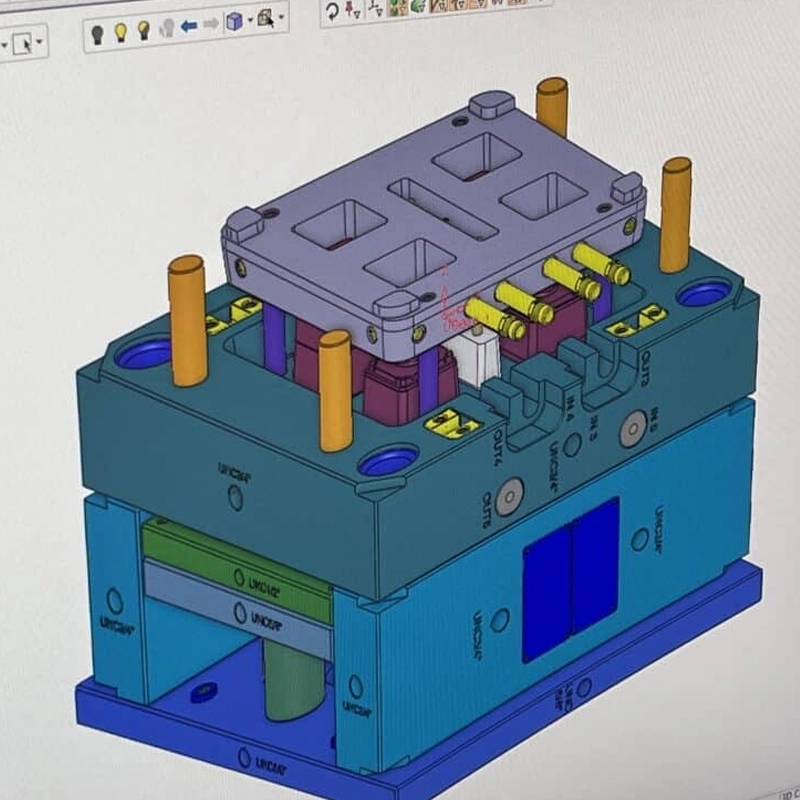
A robust design workflow includes part analysis, gate selection, CAE validation, thermal layout, electrical and pneumatic integration, pilot runs, and an agreed maintenance plan. Involve tooling, molding, and process engineering early to avoid late-stage change orders.
The Difference between Hot and Cold Mold Design
Core Operational Principle
Hot runner molds maintain melt in heated channels up to the gate, eliminating cold-runner scrap and reducing cycle time. Cold-runner molds use solidified runners that are trimmed and typically recycled.
Design Complexity and Initial Cost
Hot runner systems have higher upfront cost and complexity (heaters, control electronics, valve mechanisms). However, for medium-to-high volumes, the reduction in material waste, cycle time, and downstream trimming often justifies the investment.
Impact on Part Quality and Production Efficiency
Hot runner designs generally produce cleaner parts with fewer gate marks and better color-change efficiency. They enable faster cycles and higher yield—especially critical for multi-cavity production and premium surface-finish requirements.
Hot Runner Design Guidelines and Production Excellence
To achieve consistent production performance:
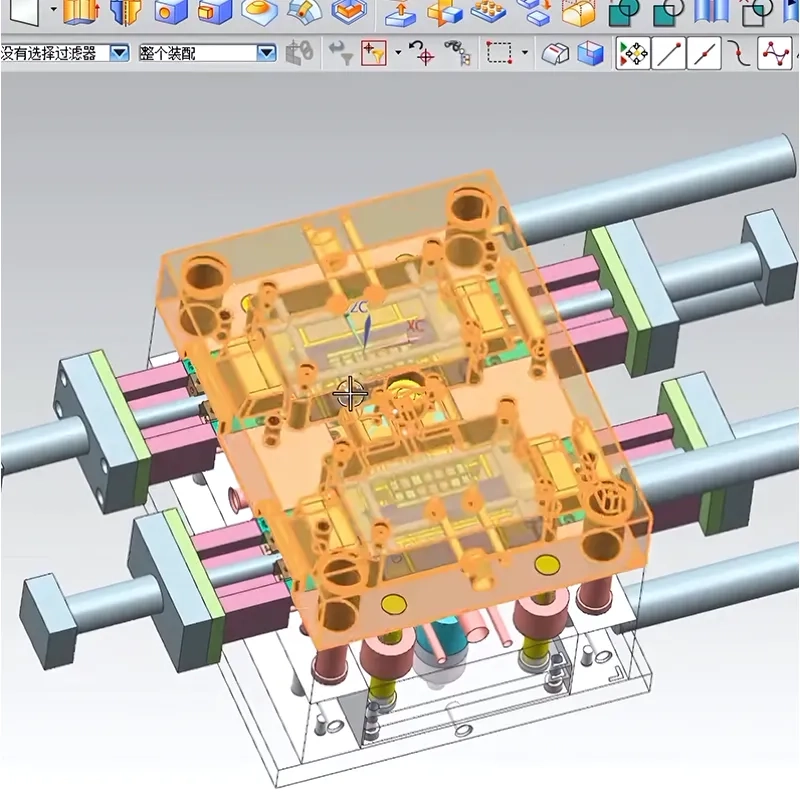
- Start with CAE-driven gate and manifold layouts.
- Specify materials and coatings that resist corrosion and polymer adhesion.
- Provide robust control logic with history logging for continuous improvement.
- Standardize spare part kits and maintenance intervals across molds.
- Validate in-mold thermocouple locations with trial runs and adapt PID settings based on real-world data.
When done right, hot runner designs convert engineering intent into repeatable, high-quality production.
Conclusion
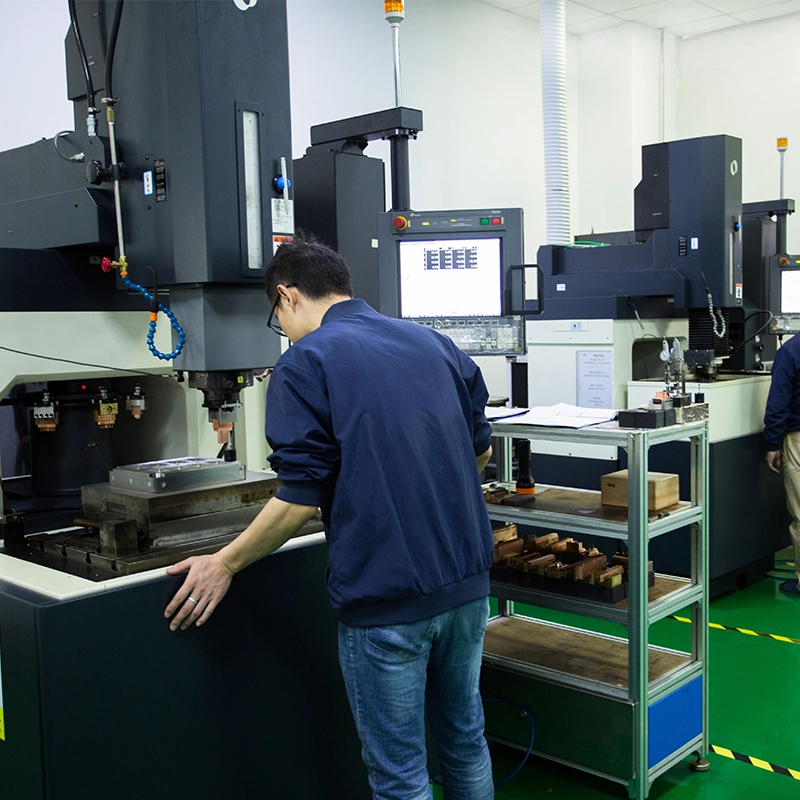
Hot runner engineering is a strategic investment that pays dividends in part quality, cycle efficiency, and material yield—when grounded in sound thermal design, flow balancing, and serviceability planning. At Lsrmold, we combine hands-on mold engineering with CAE validation and after-sales support to deliver high quality hot runner molds and integrated solutions. As a one-stop manufacturer and partner to global suppliers, we help you move from concept to long-run production confidently.
Interested in optimizing a hot runner mold for your next production run? Contact Lsrmold today for a technical review, CAE simulation package, or pilot tooling plan. We’re ready to collaborate on a tailored solution that meets your performance and cost targets.