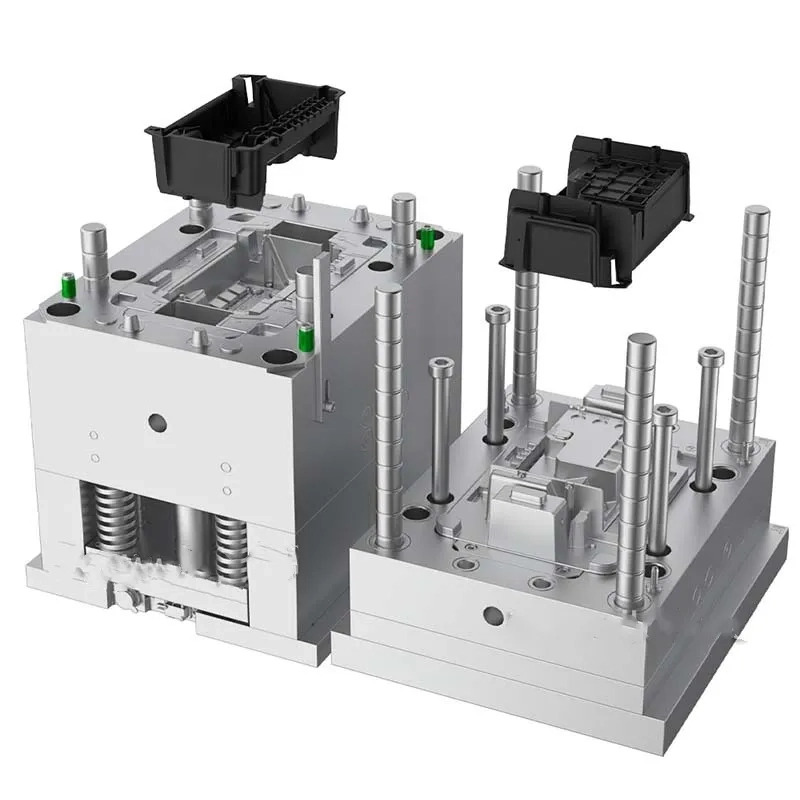
At Lsrmold, a high quality aerospace injection molding manufacturer and one-stop service supplier, we help global OEM service clients transform complex aerospace designs into scalable, production-ready components. With advanced DFM analysis, precision tooling, and strict process control, injection molding is rapidly becoming a cornerstone technology in modern aerospace manufacturing.
Are you exploring lighter structures, tighter tolerances, or cost-efficient mass production? Let’s walk through how injection molding is reshaping aerospace engineering—and how the right manufacturing partner can help you stay ahead.
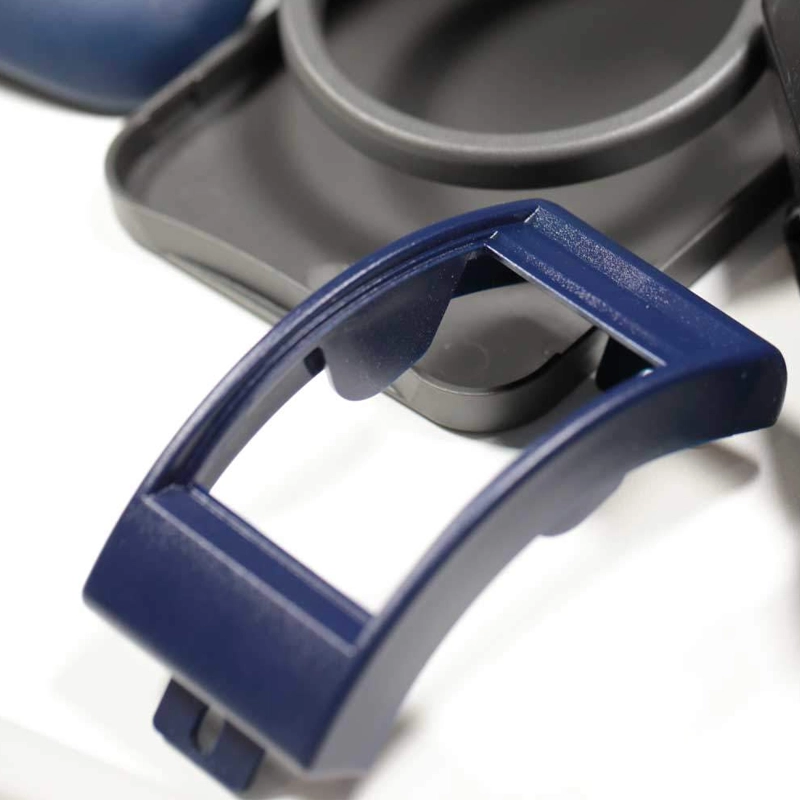
Common Aerospace Injection Molding Parts
Injection molding supports both structural and functional aerospace components where lightweight design and reliability are critical.
Interior Components
Cabin panels, tray tables, and seat accessories require flame-retardant, lightweight polymers that meet aviation safety standards.
Brackets and Mounts
Precision-molded brackets reduce assembly complexity while maintaining structural performance.
Cable Clamps and Fasteners
High quality molded cable management components protect wiring systems and simplify installation.
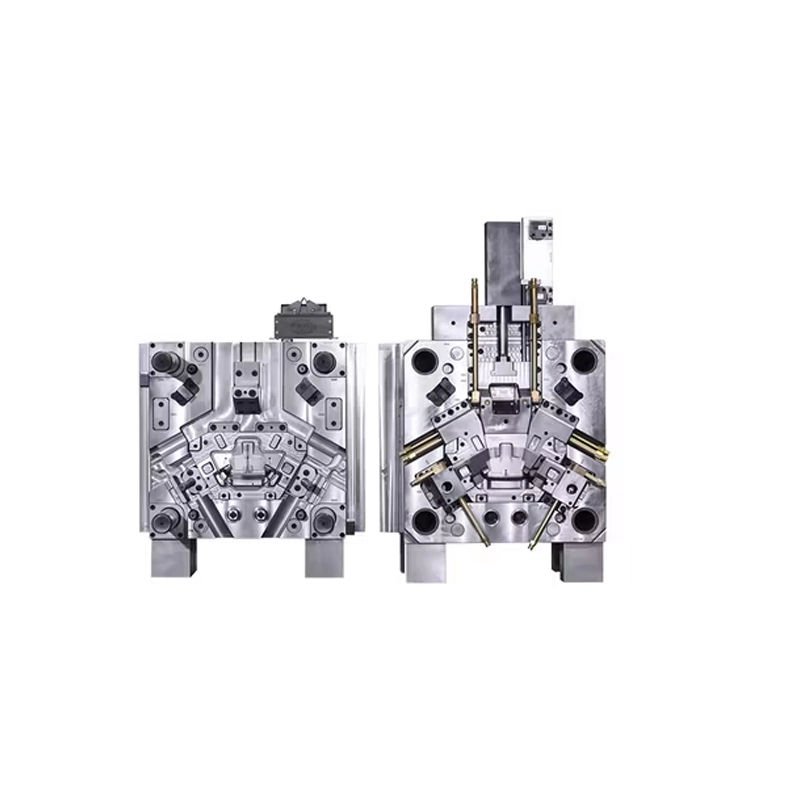
Electronic Component Housings
Injection molding provides EMI shielding compatibility and excellent dimensional consistency for avionics enclosures.
Composite Structural Components
Hybrid molded composites enhance strength-to-weight ratios, supporting lightweight aircraft designs.
Ducts and Vents
Complex airflow geometries are efficiently produced through injection molding with consistent wall thickness.
Grommets and Seals
Elastomeric molded parts provide vibration resistance, sealing performance, and durability in harsh environments.
Switches and Buttons
High precision molding ensures ergonomic performance and long service life for cockpit interfaces.
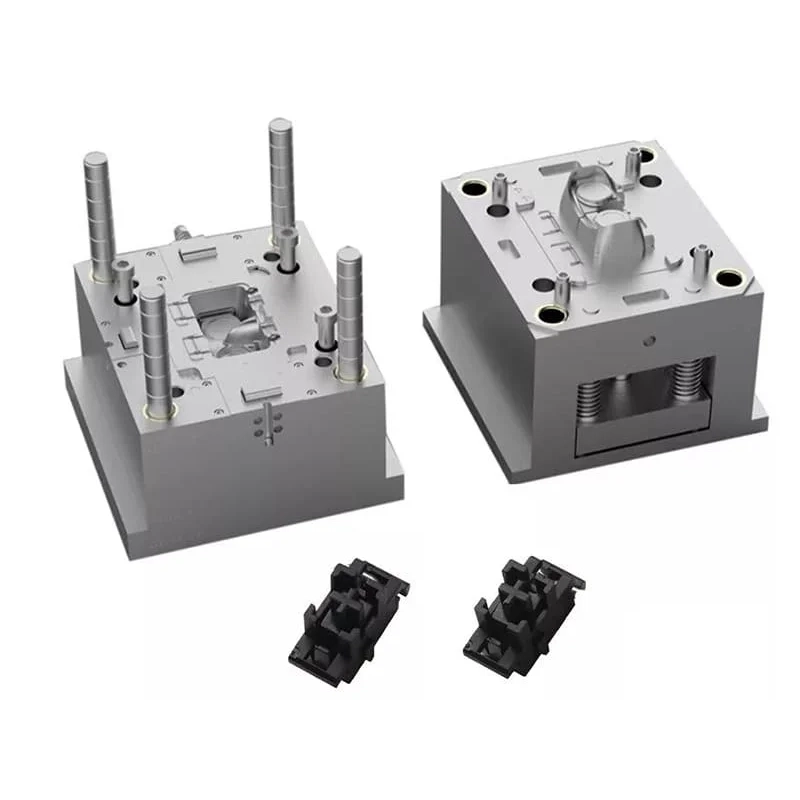
Lighting Components
Transparent and diffused polymers allow efficient light transmission while reducing weight.
Bumpers and Pads
Impact-absorbing molded parts help minimize vibration and protect sensitive equipment.
Insulation Panels
Advanced polymers improve thermal and acoustic performance inside aircraft cabins.
Fuel System Components
Specialty materials allow chemical resistance and long-term durability in fuel delivery systems.
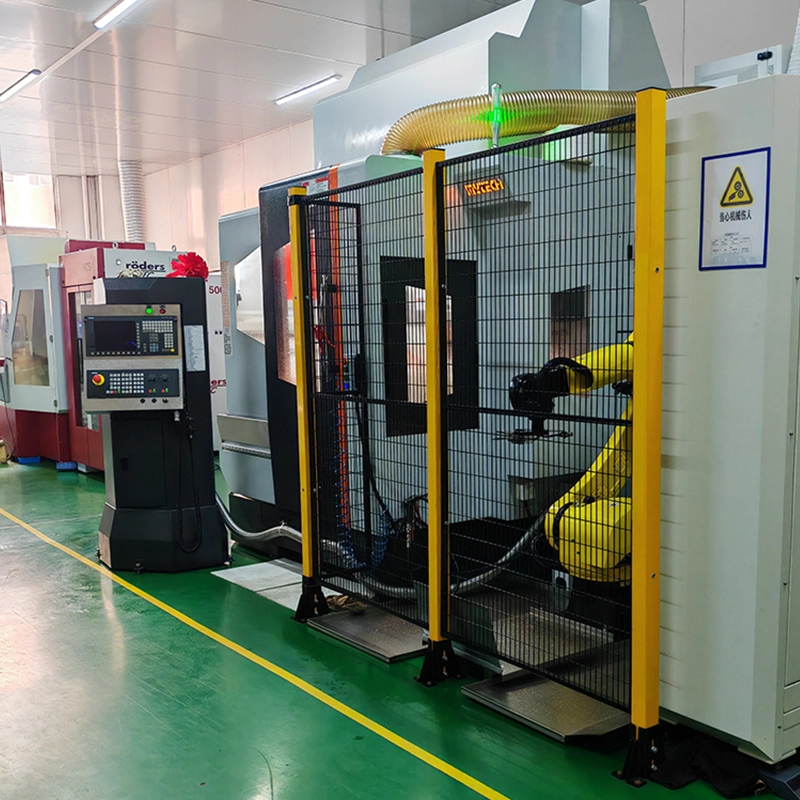
Landing Gear Covers
Aerodynamic molded covers help reduce drag and protect mechanical assemblies.
Design Considerations
Aerospace injection molding requires careful engineering validation and deep DFM expertise. Early collaboration with experienced suppliers helps reduce development cycles and manufacturing risks.
Table of Different Design Considerations
| Design Factor | Importance | Aerospace Impact |
|---|---|---|
| Weight Reduction | Critical | Improves fuel efficiency |
| Material Selection | High | Ensures heat & chemical resistance |
| Tolerance Control | Very High | Supports precision assembly |
| Flame Resistance | Mandatory | Meets aviation regulations |
| Structural Strength | High | Maintains safety performance |
| Surface Finish | Medium | Enhances aesthetics & aerodynamics |
| Manufacturability (DFM) | Essential | Reduces production cost |
DFM analysis is particularly important. At Lsrmold, our engineering team evaluates part geometry, wall thickness, draft angles, and mold flow behavior to ensure high quality results and stable mass production.
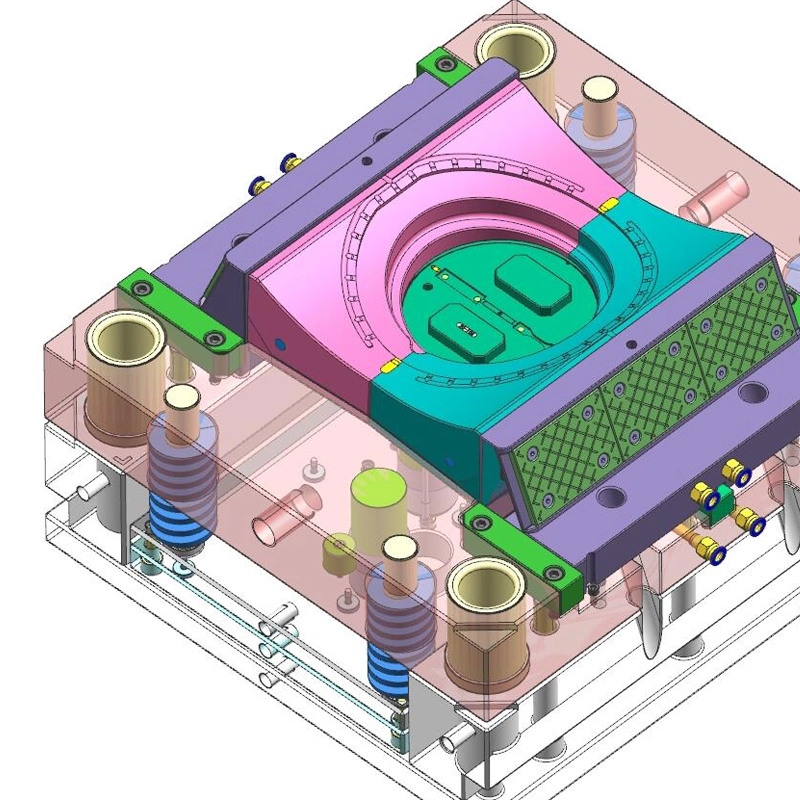
Materials Used in Aerospace Injection Molding
Material selection plays a central role in aerospace component performance. Common aerospace-grade materials include:
- PEEK (Polyether Ether Ketone) – Exceptional strength and thermal stability
- PEI (Ultem) – High heat resistance and flame retardancy
- PPS (Polyphenylene Sulfide) – Chemical resistance and dimensional stability
- Nylon Reinforced with Glass Fiber – Structural performance with reduced weight
- Liquid Silicone Rubber (LSR) – Ideal for seals, gaskets, and vibration damping components
- Polycarbonate (PC) – Transparent applications and impact resistance
Working with experienced manufacturing suppliers ensures correct material validation, certification compliance, and long-term durability.
Future Trends in Aerospace Injection Molding
The aerospace sector is evolving rapidly, and injection molding technologies are advancing alongside it.
1. Lightweight Composite Integration
Hybrid polymer composites will continue reducing aircraft weight without compromising strength.
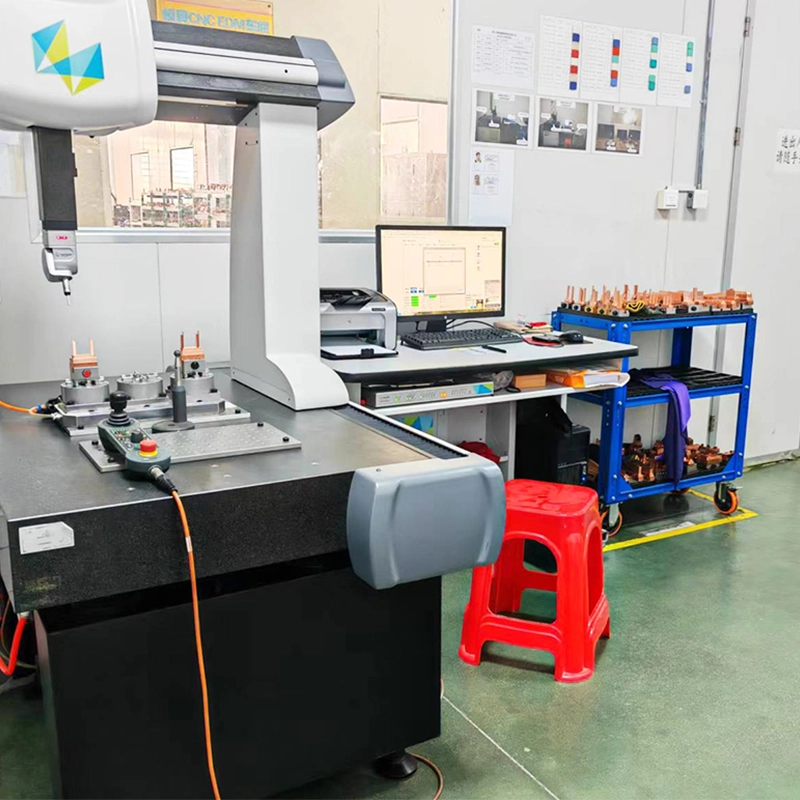
2. Smart Manufacturing and Automation
AI-driven process monitoring improves consistency and minimizes production defects.
3. Sustainable Materials
Eco-friendly engineering polymers are gaining traction to support environmental targets.
4. Integrated Functional Components
Overmolding and multi-material molding allow complex assemblies to be produced as single parts.
5. Advanced Simulation and DFM
Digital twins and predictive mold flow analysis enhance product performance before tooling begins.
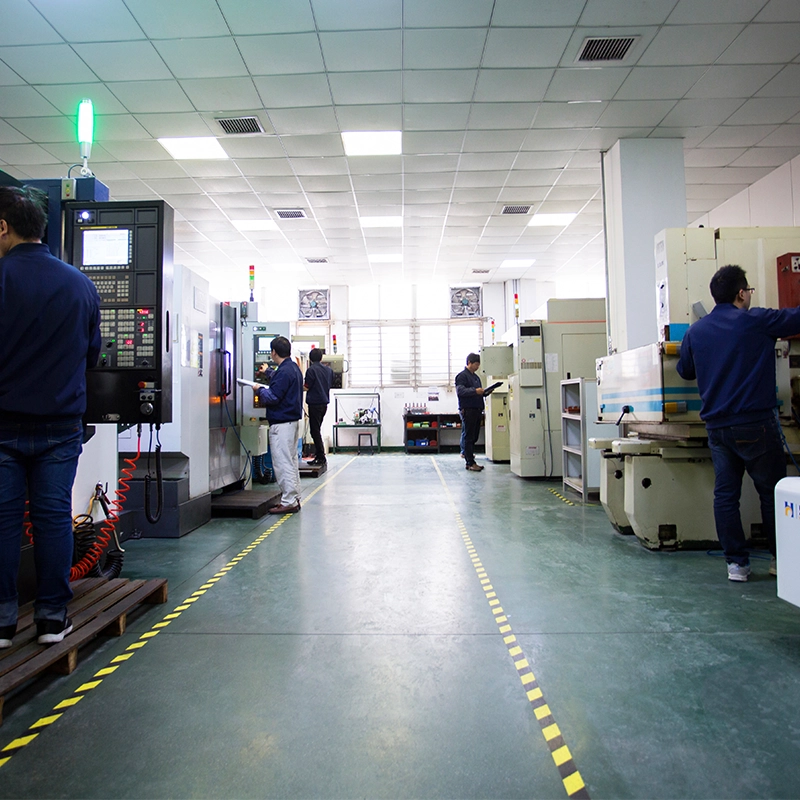
With OEM service partnerships and one-stop service solutions, aerospace brands can shorten development cycles and scale faster.
Conclusion
Injection molding is no longer limited to small plastic parts—it’s becoming a strategic manufacturing solution across the aerospace industry. From interior components and electronic housings to structural composites and high-performance seals, the process offers unmatched efficiency, precision, and scalability.
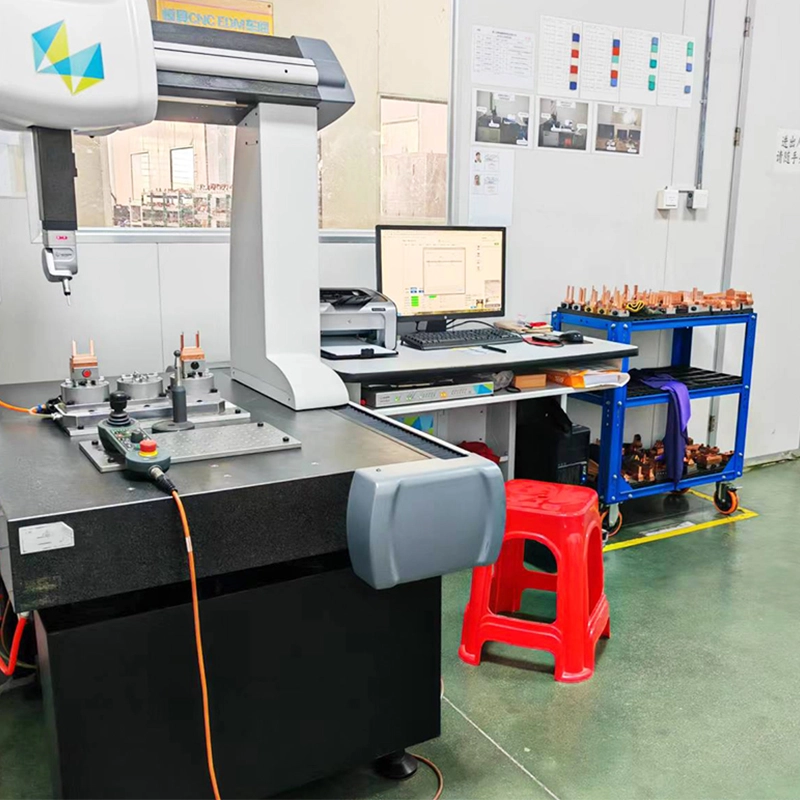
At Lsrmold, we combine high quality manufacturing, advanced DFM engineering, and reliable OEM service to support aerospace innovators worldwide. Whether you’re developing a new aircraft platform or optimizing an existing component, our one-stop service approach helps streamline design, tooling, and production.
Thinking about your next aerospace injection molding project? Reach out to our team—we’d love to hear about your challenges, explore design options together, and help you build smarter, lighter, and more efficient aerospace components.