At LSRmold, we help customers improve manufacturing efficiency with mold solutions that are built for stable production, consistent part quality, and lower long-term operating cost. For high-volume injection molding projects, a hot runner system can make a major difference in cycle time, material waste, and part consistency. That is why many OEM buyers, product developers, and suppliers evaluate hot runners early in the tooling stage rather than treating them as an afterthought.
One-sentence definition: A hot runner injection molding system is a heated runner setup that keeps plastic molten inside the mold so it can flow directly into each cavity without forming a solid runner scrap.
For brands that need high quality parts at scale, hot runners are often the right answer when the project calls for repeatability, faster cycles, and clean part separation.
What Is a Hot Runner Injection Molding System?
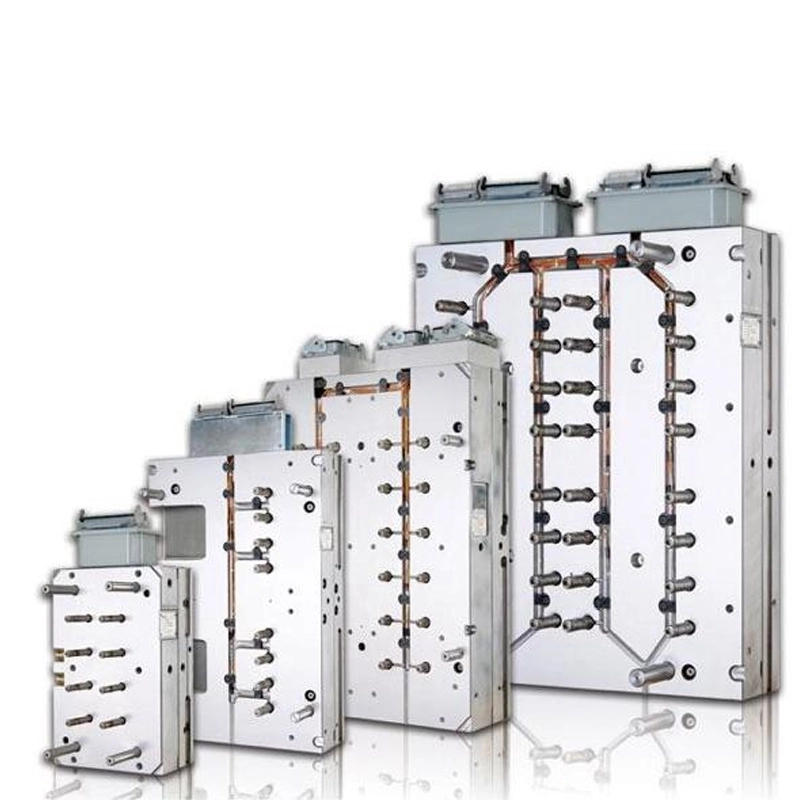
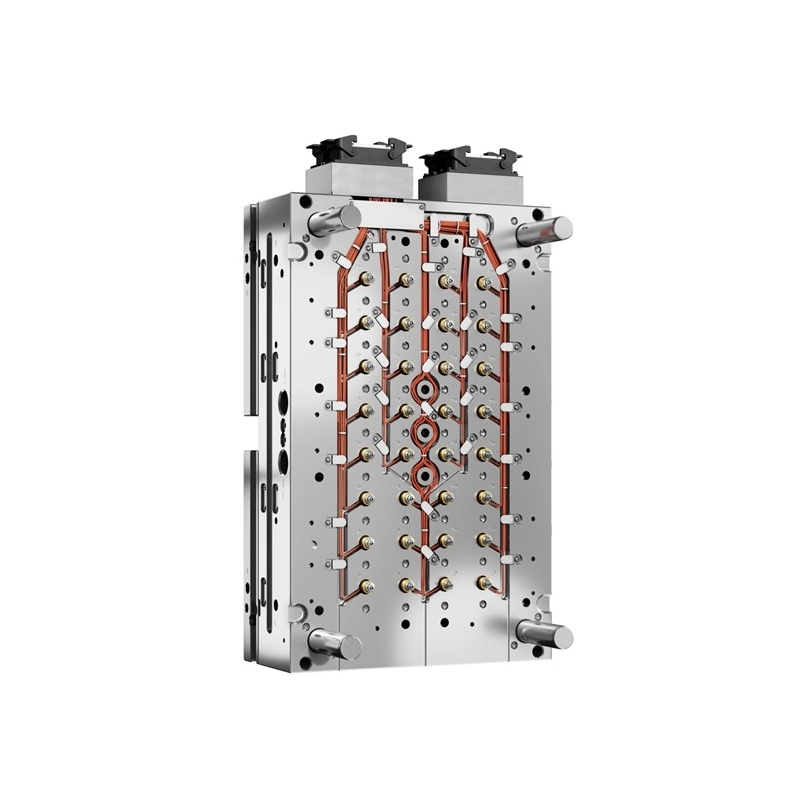
A hot runner system is a mold delivery system that uses heated components to keep plastic in a molten state from the injection unit all the way to the gate. Instead of solidifying in a runner channel like a cold runner mold, the material stays hot and is injected directly into the cavities.
This makes hot runners especially useful in:
- High-volume production
- Multi-cavity molds
- Tight-tolerance parts
- Cosmetic parts with cleaner gate marks
- Applications where scrap reduction matters
For manufacturers and OEM/ODM buyers, this system is valuable because it helps improve throughput while reducing resin waste and secondary trimming.
Hot Runner vs. Cold Runner Injection Molding Systems
The biggest difference between hot runner and cold runner molds is what happens to the runner material.
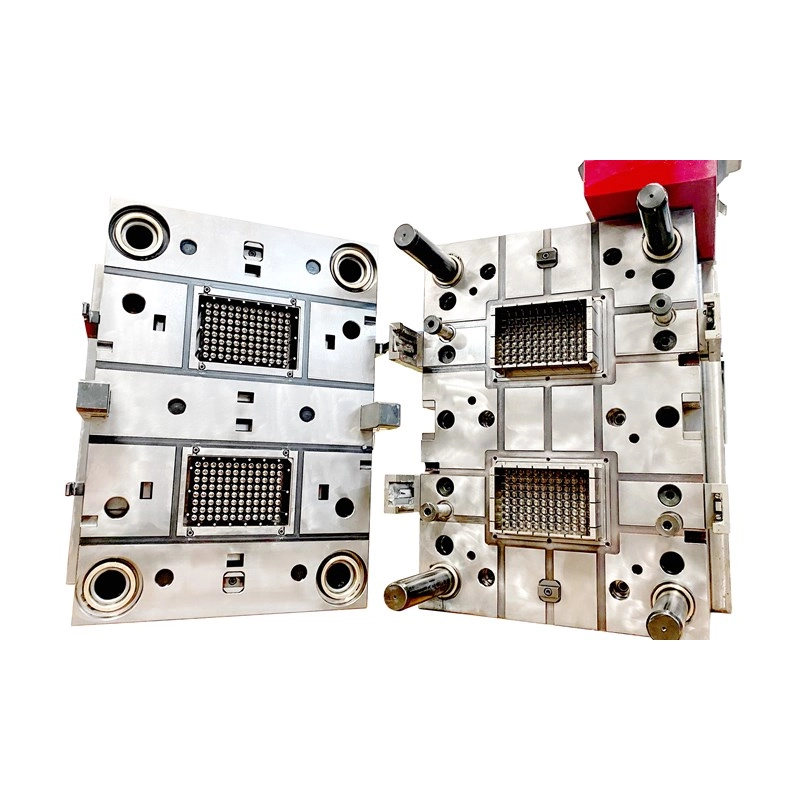
A cold runner system allows the runner to cool and solidify along with the part, which means the runner must be ejected and usually reground or discarded. That increases material use and often adds handling steps.
A hot runner system keeps the runner molten, so there is no solid runner to remove. That creates less waste and often shorter cycle times.
Hot Runner Advantages
- Less material waste
- Faster cycle time
- Better for large production runs
- Cleaner gate vestige
- More stable cavity filling
Hot Runner Limitations
- Higher tooling cost
- More maintenance complexity
- Harder color or material changes
- Requires good temperature control
For smaller projects or frequent design changes, a cold runner may still be more practical. For large-scale production, hot runners often provide better long-term value.
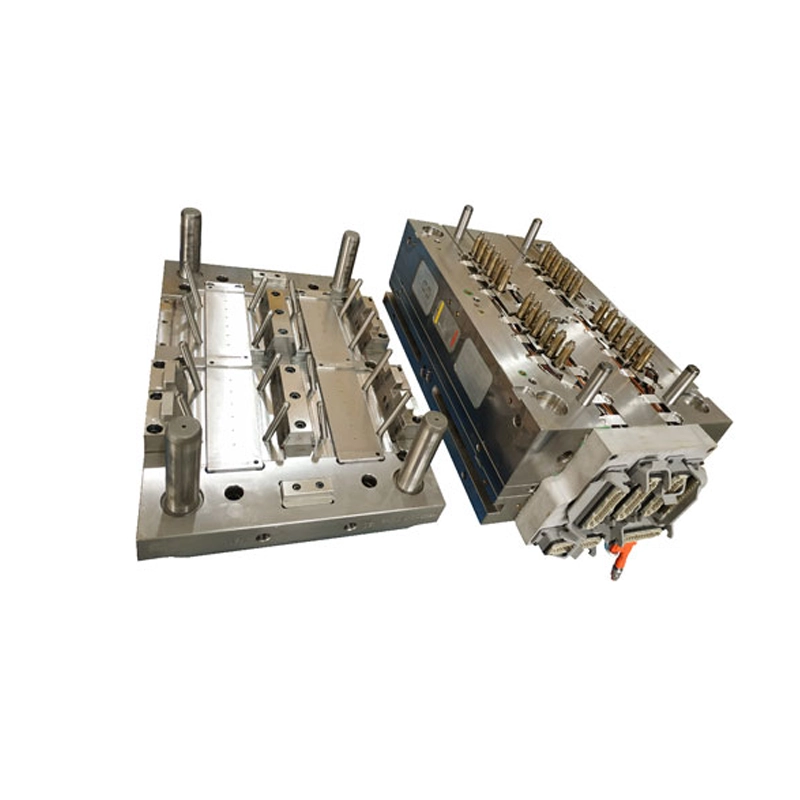
How Does a Hot Runner Injection Molding System Work?
A hot runner system uses heaters and temperature control to keep the plastic molten inside the runner path. The material is pushed through a heated manifold, then through heated nozzles and into the mold cavities.
The system must maintain the correct temperature from start to finish. If the temperature is too low, the plastic may freeze prematurely. If it is too high, the material may degrade or create quality problems.
That is why temperature consistency is one of the most important factors in hot runner manufacturing.
Main Components of Hot Runner Systems
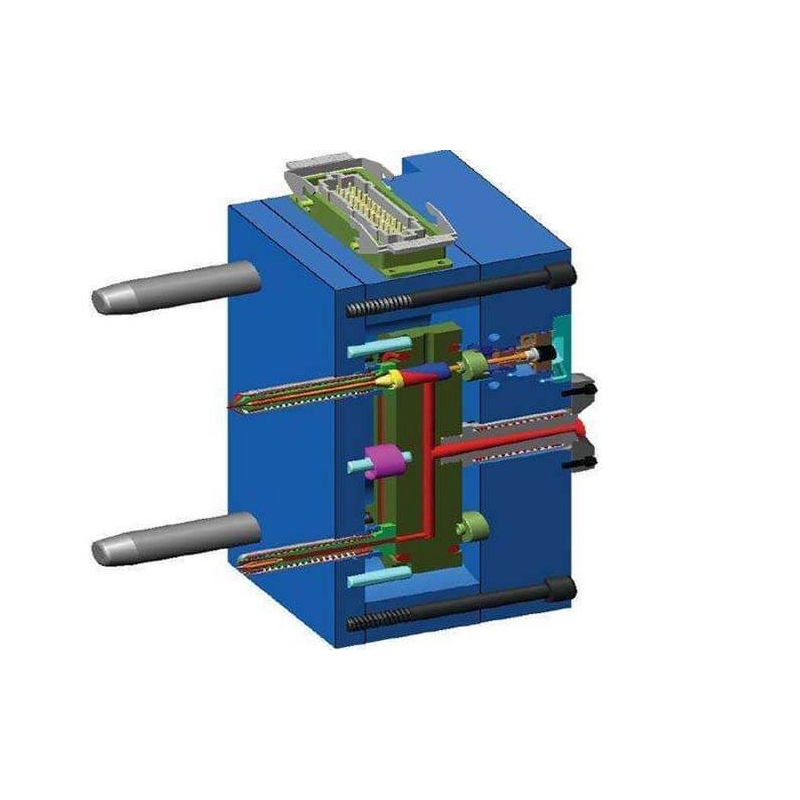
A hot runner mold usually includes:
- Manifold: distributes molten plastic evenly to each nozzle
- Nozzles: deliver material directly to the cavity gate
- Heaters: maintain temperature in the runner system
- Temperature Controller Unit (TCU): regulates heat zones accurately
- Thermocouples: monitor temperature at different points
- Gate mechanism: controls flow into the part
Each component must work together to ensure balanced flow, stable pressure, and consistent part quality.
Benefits of Hot Runner Molds
Hot runner molds are widely used because they improve both production efficiency and product quality.
Key benefits include:
- Reduced runner waste
- Shorter cycle times
- Lower post-processing requirements
- Better material utilization
- More consistent filling across cavities
- Improved gate appearance
For companies focused on high quality production, these advantages can translate into better unit economics and more stable output over time.
Loopholes, Drawbacks, and Challenges of Hot Runner Systems
Hot runners are powerful, but they are not perfect for every project.
Common challenges include:
- Higher initial tooling cost
- More complex mold design
- Greater maintenance requirements
- Risk of thermal imbalance
- Longer setup and validation time
- Difficulty switching colors or materials frequently
They may also be less suitable for thermoset materials, which do not behave like standard thermoplastics. In addition, some valve gate systems can experience pin sticking if the design or temperature control is not optimized.
For this reason, buyers should work with experienced suppliers who understand both design engineering and production support.
Price and Types of Hot Runner Systems
A. Cost Breakdown
The price of a hot runner mold depends on cavity count, part complexity, steel quality, temperature control design, and gate mechanism. While the upfront cost is higher than a cold runner mold, the long-term savings from lower scrap and shorter cycles can be substantial in high-volume production.
B. Types by Gate Mechanism
- Open gate systems: simpler and lower cost
- Valve gate systems: better gate control and cleaner vestige
- Sequential valve systems: useful for large or complex parts
C. Types by Heating Method
- Externally heated systems
- Internally heated systems
- Hybrid systems
D. Insulated Runners
Insulated runners are a lower-complexity alternative that reduce heat loss without full active heating. They are useful in some projects, but they do not offer the same control as a true hot runner system.
Hot Runner vs. Similar Concepts
Hot runners are often compared with cold runners, but they are also related to other mold technologies.
- Overmolding uses a second material molded over a base part, often with a hot runner-supported process.
- Thin wall injection molding benefits from hot runners because fast, balanced flow is critical.
- Multi-cavity molds often rely on hot runners to keep flow balanced across all cavities.
So while hot runners are a runner system, they also play a major role in advanced molding strategies.
Purchasing Advice for B2B Buyers
When sourcing a hot runner mold, ask these questions before you approve the project:
- Is the production volume high enough to justify the tooling cost?
- Does the part require fast cycle times or minimal waste?
- Will the material or color change often?
- Can the supplier support proper temperature control and maintenance?
- Is the mold designed for balanced filling across all cavities?
- Does the manufacturer offer OEM/ODM service from design to sampling?
A good purchasing decision is not just about the lowest mold price. It is about total production efficiency, part quality, and long-term reliability.
Conclusion
A hot runner injection molding system is one of the best tools for improving production efficiency, reducing scrap, and maintaining consistent part quality in high-volume molding programs. It offers clear advantages for many commercial and industrial applications, especially when performance, appearance, and scalability matter.
At LSRmold, we support customers with complete manufacturing solutions for advanced injection mold projects, including hot runner design, mold development, sampling, and production support. As experienced suppliers offering OEM/ODM service, we focus on delivering high quality mold solutions that match your product goals and budget.
If you are planning a new mold project or comparing hot runner options, share your part drawing, material, and production target with us. We would be glad to help you evaluate the best approach for your application.