
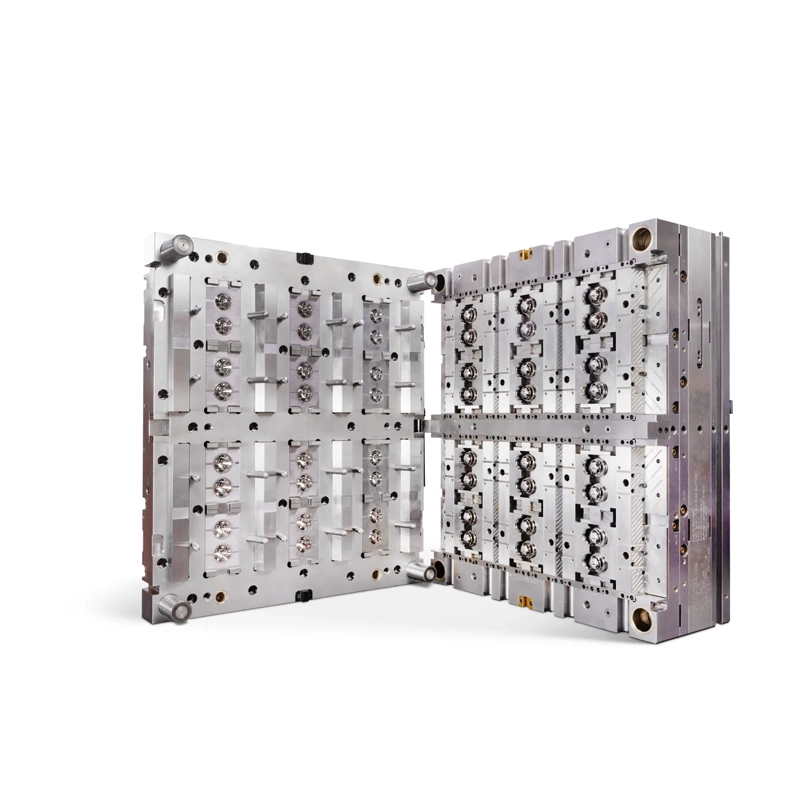
At LSRmold, we help brands, product developers, and procurement teams build reliable injection mold solutions that support stable production, tight tolerances, and long-term manufacturing efficiency. When a project depends on precision, the quality of the tooling is what determines whether the final parts are consistent, cost-effective, and ready for scale. That is why successful injection mould tooling is never just about cutting steel. It is about design discipline, material selection, process control, and practical DFM from the very beginning.
Fundamentals of Injection Moulding Tooling
Injection moulding tooling is the engineered system that shapes molten plastic into a finished part. A well-built tool must fill efficiently, cool evenly, release cleanly, and repeat the same result thousands or even millions of times. For OEM buyers and engineers, this means tooling quality directly affects productivity, scrap rate, and part performance.
Basic Tooling Concepts
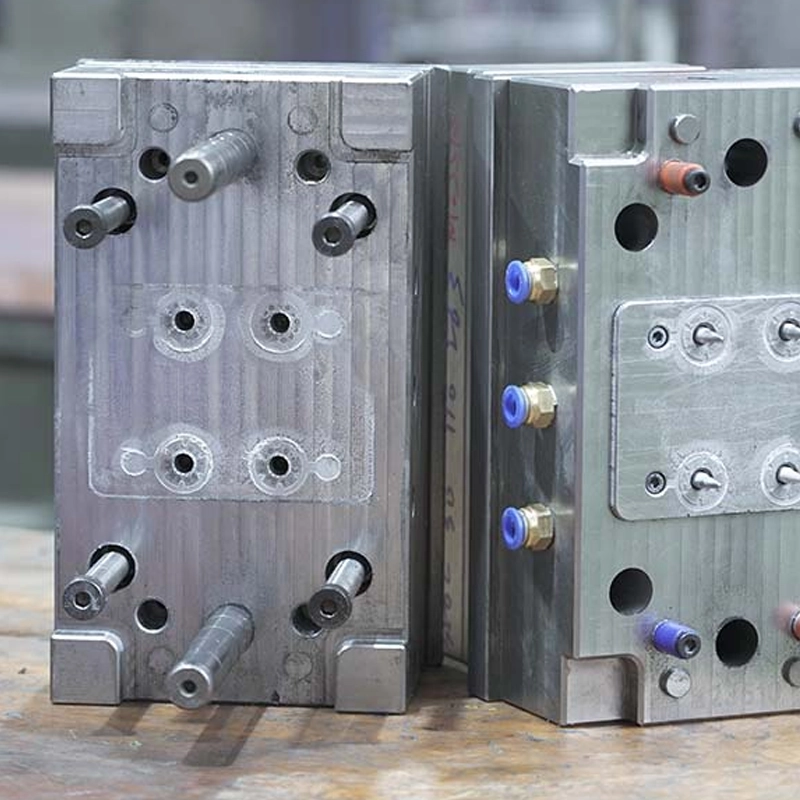
At a basic level, an injection mould tool includes the core, cavity, runner system, gate, cooling channels, and ejection components. Each part of the tool has a specific function, and each one must be designed to work together as a single system. If one area is weak, the entire process suffers.
Types of Materials Used in Tooling
Tool steels are the most common choice because they offer strength, wear resistance, and dimensional stability. Depending on the application, manufacturers may also use aluminum or pre-hardened steel for prototypes, short runs, or faster lead times. The right choice depends on expected production volume, part complexity, and required surface finish.
Design Considerations for Mould Tools
Good tooling starts with good design. Even a strong mold can fail if the part geometry is not production-friendly.
Importance of Precision and Tolerances
Precision is critical because small dimensional errors can create assembly issues, flash, sink, or fit problems. Tolerances should be realistic and aligned with the plastic material, wall thickness, and application. A professional manufacturer will review the design early to determine whether the part can be molded consistently at scale.
Understanding Part Geometry and Complexity
Complex geometry can increase the risk of warpage, air traps, undercuts, and uneven filling. Sharp corners, thick-to-thin transitions, and deep ribs can all create problems if not handled properly. This is where DFM becomes essential. A strong DFM review helps identify geometry issues before steel is cut, saving both time and cost.
Material Selection for Parts and Tooling
Material choice affects both the molded part and the tool itself.
Properties of Thermoplastics
Thermoplastics behave differently depending on viscosity, shrinkage, heat resistance, and strength. Some plastics flow easily but have lower stiffness, while others offer excellent durability but require higher processing temperatures. Understanding these properties helps engineers design a tool that performs well under real production conditions.
Selecting the Right Plastic for the Part
Choosing the right plastic depends on product use, appearance, cost, and mechanical requirements. A consumer housing, for example, may use ABS or PC, while a more demanding industrial part may require nylon or glass-filled materials. Reliable suppliers and molding partners should help match the resin to the application instead of forcing a one-material-fits-all approach.
The Injection Mould Tooling Process
A successful program follows a clear development path.
From Design to Prototyping
The process typically begins with CAD review, DFM analysis, and prototype validation. Prototypes allow teams to test form, fit, and function before committing to production steel. This phase reduces risk and helps confirm that the tooling design will support mass production without major revisions.
Production Volumes and Their Impact
Expected volume strongly influences mold design. Low-volume projects may use simpler tools with fewer cavities, while high-volume programs often benefit from multi-cavity molds and stronger tool steels. A good balance between initial cost and long-term cycle efficiency is key.
Tooling Components and Their Functions
Core and Cavity Explained
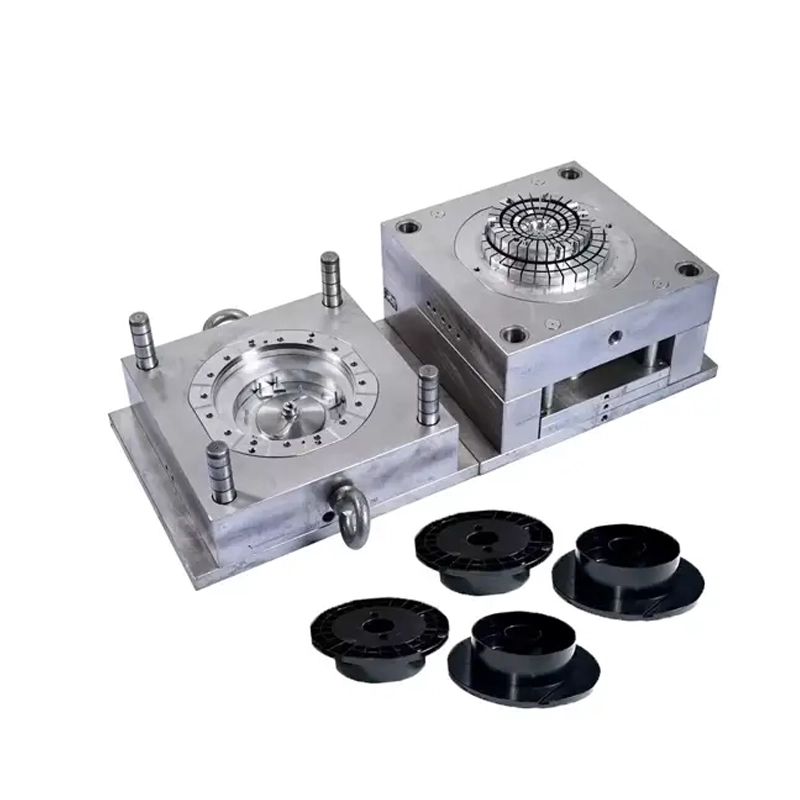
The core shapes the internal features of the part, while the cavity forms the external surface. Together, they determine the part’s final geometry, finish, and dimensional accuracy. Surface polish, draft angles, and steel selection all matter here.
Runners, Gates, and Ejection Systems
Runners and gates control how plastic flows into the cavity. Poor gate placement can create weld lines, imbalance, or excessive shear. The ejection system must remove the part without distortion or surface damage. A good mold design keeps all of these systems balanced.
Mould Tool Fabrication Methods
CNC Machining and Its Applications
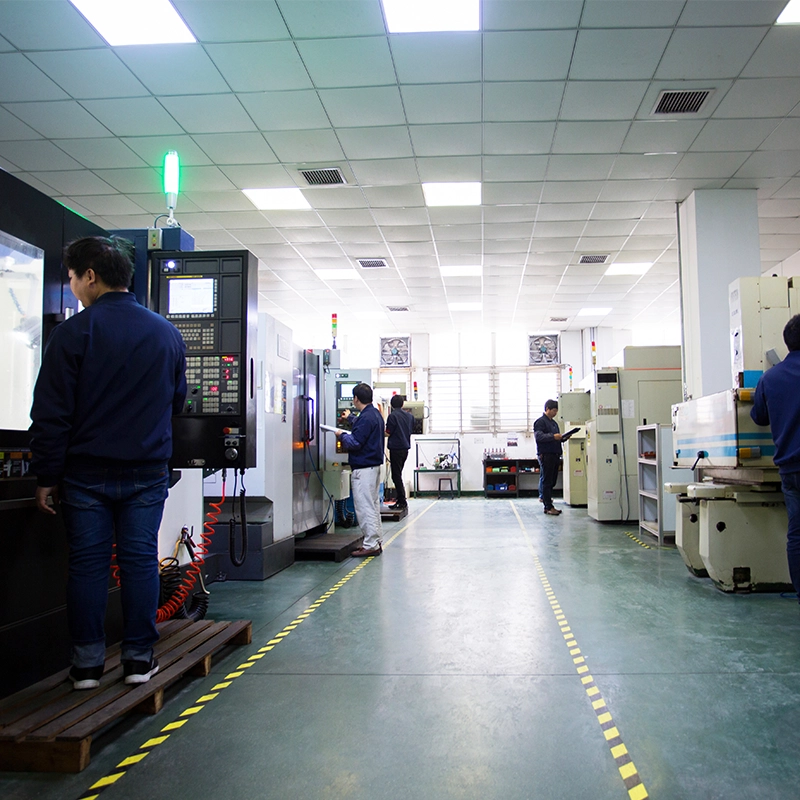
CNC machining is used to shape mold bases, cavities, and detailed inserts with high precision. It is one of the most important steps in modern mold fabrication because it creates the foundation for tool accuracy.
The Role of Electrical Discharge Machining (EDM)
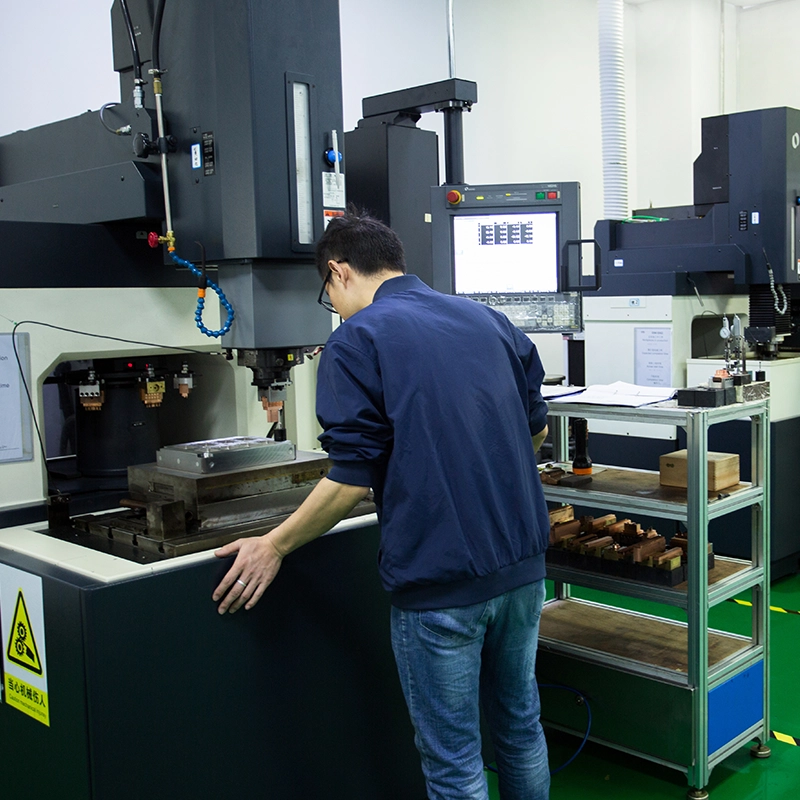
EDM is used for fine details, sharp internal corners, and hard-to-machine areas. It is especially useful when the mold design includes complex features that cannot be completed with standard cutting tools.
Advances in 3D Printing for Tooling
3D printing is increasingly used for prototyping, conformal cooling studies, and design verification. While it does not replace hardened production steel, it helps teams test concepts earlier and improve DFM decisions.
Enhancing Tool Life and Durability
Maintenance Best Practices
Regular cleaning, inspection, lubrication, and replacement of wear components help extend mold life. A poorly maintained tool loses precision, increases downtime, and creates inconsistent parts.
Materials and Treatments for Longevity
Hardened inserts, surface coatings, and heat treatments can improve wear resistance and reduce corrosion. For high-volume projects, these choices are essential to keeping the mold stable over time.
Considerations for Part Ejection
Mechanisms and Strategies for Ejection
Parts must be ejected cleanly to avoid bending, marking, or cracking. Ejector pins, stripper plates, and air assist are commonly used depending on the part design.
Dealing with Undercuts and Complex Features
Undercuts often require lifters, slides, or side actions. These features increase tooling complexity, but they are necessary for parts with locking features or special shapes.
Quality Control in Tooling
Assuring Accuracy and Consistency
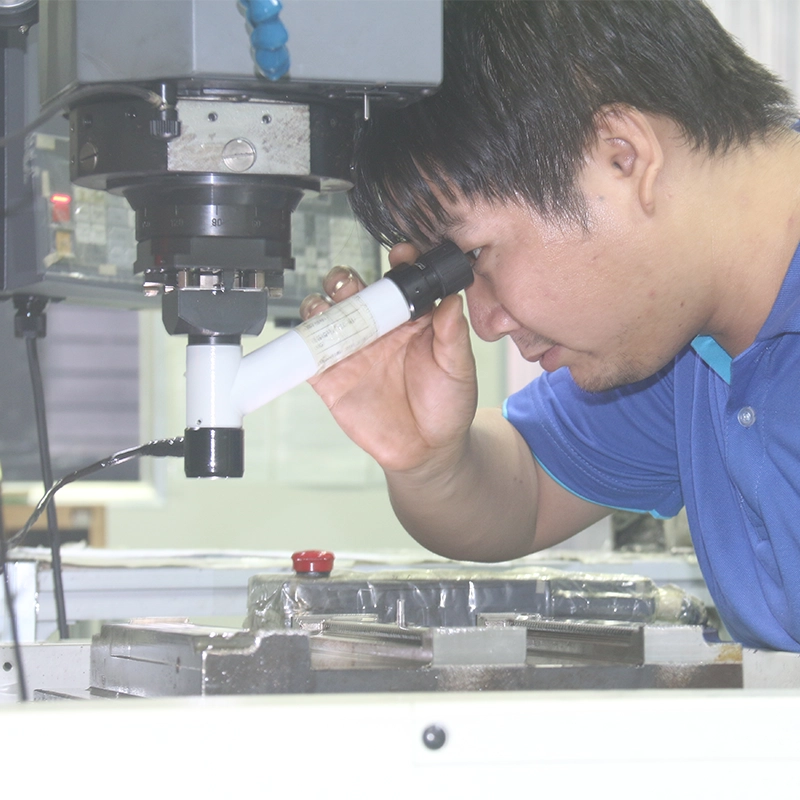
Tooling quality should be checked at every stage, from steel prep to final mold trial. Dimensional verification, steel hardness checks, and first-shot inspection are all part of a proper quality system.
Mitigating Defects like Warp and Flash
Warp and flash usually come from poor cooling, incorrect clamp force, or design imbalance. Strong DFM, balanced cavity filling, and accurate machining help reduce these risks.
Cost and Lead Time Optimisation
Balancing Cost with Quality
Cheaper tooling is not always better. A low-cost mold that wears out quickly or creates defects often costs more in the long run. The goal is to balance price, durability, and cycle stability.
Strategies for Reducing Lead Times
Lead times can be shortened through early design approval, clear specifications, standard mold components, and efficient project communication. Working with a capable one-stop service partner often helps reduce delays across the entire process.
Customisations and Special Features
Integrating Text and Logos
Text, logos, and product identifiers can be built directly into the mold. This supports branding and improves part consistency without requiring secondary marking.
Designing for Multiple Cavities
Multi-cavity molds improve output and reduce unit cost, but they require excellent balance and tighter tooling control. This is a strong option for high-volume production.
Advanced Tooling Techniques
Incorporating Sophisticated Part Features
Modern molds can include slides, lifters, inserts, and special cooling designs to support more advanced part geometries. These features improve function but require experienced engineering support.
High-Pressure Injection Considerations
High-pressure molding demands stronger tooling, better venting, and precise gate design. If these details are not handled well, the result may be burn marks, flash, or incomplete filling.
Post-Processing and Secondary Operations
Manual and Automated Finishing Options
Some parts require trimming, deflashing, polishing, or surface treatment after molding. Others may move directly to packaging if the tool is well designed and the process is stable.
Assembly and Post-Processing Requirements
For products with inserts, printed logos, or multi-part builds, secondary assembly may be needed. A manufacturer that offers integrated support can save time and improve consistency.
Applications and Industry Case Studies
Specialised Applications in Different Industries
Injection mould tooling is used in automotive, medical, consumer electronics, appliance, industrial, and packaging applications. Each industry has different requirements, but all depend on the same foundation: precise tooling, stable materials, and disciplined process control.
Frequently Asked Questions
What are the essential steps involved in injection moulding?
The main steps are design, tooling fabrication, material preparation, molding, cooling, ejection, and quality inspection.
How is an injection mould tool typically manufactured?
It is usually produced through CAD design, CNC machining, EDM, assembly, polishing, and trial testing.
What factors influence the design of injection moulding tools?
Part geometry, material properties, production volume, tolerances, cooling needs, and ejection strategy all matter.
Can you outline the basic principles of mould design?
A good mold should fill evenly, cool consistently, release cleanly, and maintain dimensional accuracy over time.
What materials are commonly used in the creation of injection mould tools?
Tool steel is the most common choice, though aluminum and pre-hardened steel are also used for certain projects.
What considerations are critical when sourcing injection moulding tools for sale?
Buyers should evaluate design capability, steel quality, DFM support, lead time, maintenance support, and the supplier’s experience.
Conclusion
Precision and efficiency in injection mould tooling depend on a combination of smart design, correct material selection, strong fabrication methods, and consistent quality control. When these elements work together, the result is a stable, durable tool that supports reliable mass production.
At LSRmold, we provide customers with professional tooling support, DFM review, mold development, and full one-stop service for injection molding projects. As an experienced manufacturer working with global suppliers, we focus on delivering high quality results that reduce risk and improve production efficiency.
If you are developing a new plastic part or need support for an existing mold project, share your drawings and requirements with us. We would be glad to review your design and help you move toward a more efficient and dependable manufacturing solution.