
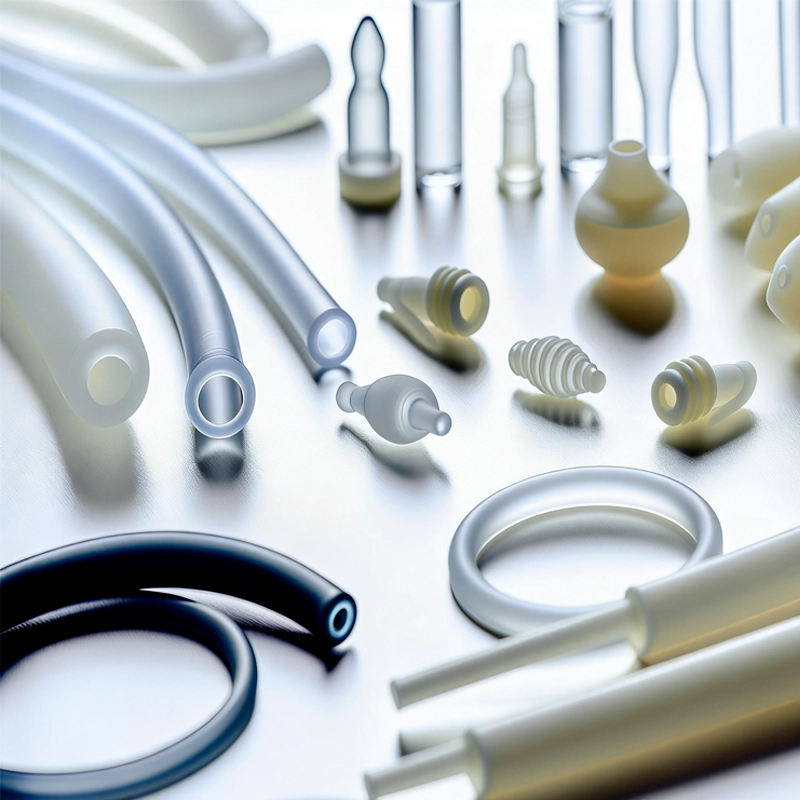
Combining silicone with other materials can be a tricky business. Whether you’re making medical molds, automotive parts, or electronics and new energy molds, ensuring a successful bond between silicone and its counterpart requires precision, knowledge, and expertise. The challenges of mixing silicone with metals, plastics, and other substances are real—each material comes with its own set of properties that need to be addressed to create a durable and functional end product.
We’ll explore the primary challenges manufacturers face when combining silicone with other materials and offer some practical insights into how these obstacles can be overcome. So, buckle up and get ready for a fun yet informative ride through the world of silicone bonding!
1. The Silicone-Compatibility Conundrum
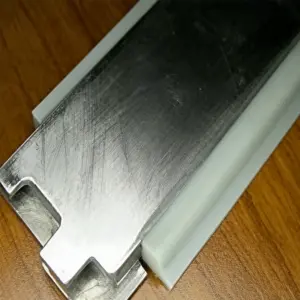
Silicone is known for its unique properties—flexibility, resistance to temperature extremes, water repellency, and chemical inertness—but these very characteristics can make it difficult to bond with other materials. For example, if you’re trying to bond silicone with metals (such as aluminum or stainless steel), it’s not always a walk in the park.
Why the struggle?
Silicone doesn’t naturally adhere well to smooth, non-porous surfaces like metals or certain plastics. Its low surface energy makes it resistant to bonding agents, meaning extra preparation and specific adhesive systems are necessary.
Solution:
To get a reliable bond, a combination of surface treatments—like plasma or corona treatment—can increase the surface energy of both the silicone and the material it’s being bonded with. This makes the silicone more receptive to adhesives. For example, surface primers or chemical bonding agents, such as silane coupling agents, can promote adhesion between silicone and various metals. This is particularly important in injection molding molds and compression molding molds, where precision and durability are key to success.
2. Temperature Sensitivity: Too Hot to Handle?
Silicone can endure extremely high and low temperatures, making it a fantastic material for applications in harsh environments. However, when you try to combine silicone with other materials that have different thermal properties, things can get tricky.
What’s the issue?
Many other materials, like certain plastics, have a lower heat tolerance compared to silicone. When exposed to high temperatures, these materials might deform, melt, or release harmful chemicals. This discrepancy in thermal expansion can lead to stresses and eventual failure of the bond.
Solution:
To avoid this, manufacturers must select complementary materials with similar thermal properties to ensure the bonding remains stable throughout the product’s life cycle. For example, combining silicone with a high-temperature-resistant plastic like PEEK (Polyetheretherketone) or metal alloys designed for high temperatures (such as titanium) can reduce thermal stress.

3. Moisture and Environmental Resistance: A Delicate Balance
Silicone excels in environments that are damp, wet, or exposed to harsh chemicals. But what happens when you’re working with materials that aren’t quite as resistant to moisture?
The challenge:
If silicone is bonded to a material that doesn’t have high moisture resistance (like certain rubbers or papers), you run the risk of degradation. Water can seep between the silicone and the surface, leading to bond failure or even corrosion in the case of metals.
Solution:
Selecting materials with similar moisture resistance or providing coatings or sealants that protect the bond area can solve this issue. In kitchen molds, where water exposure is constant, it’s important to choose materials that will stand up to moisture without compromising the bond.
4. Chemical Compatibility: Not Every Material Gets Along
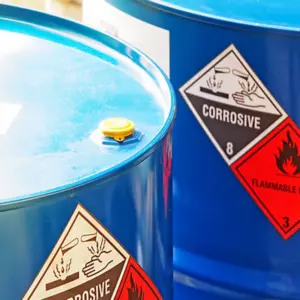
Silicone is incredibly resistant to most chemicals, but that doesn’t mean every material it’s combined with will be able to stand up to the same substances.
Why the problem?
Some materials, such as certain plastics, rubber compounds, and metals, may react negatively with chemicals, oils, or solvents that are in the environment. If those materials break down, it can compromise the integrity of the silicone bond.
Solution:
It’s essential to carefully match the silicone with other materials based on the specific chemicals they’ll encounter. For instance,fluorosilicone, a variation of silicone, provides enhanced resistance to fuels, oils, and solvents, making it a better choice when combined with certain metals in the automotive or aerospace industries.
5. The Viscosity and Flow Issues
Another challenge when combining silicone with other materials is dealing with its viscosity. Silicone comes in a variety of viscosities, and choosing the wrong one can result in poor mold flow or incomplete curing when integrating with other materials.
What’s the problem?
Viscous silicone materials may not flow properly to fill intricate mold cavities when working with thermoplastics like ABS (Acrylonitrile Butadiene Styrene) or polycarbonate, leading to poor bonding or inconsistent parts.
Solution:
Manufacturers may choose a silicone with a lower viscosity or preform the silicone material using a specific curing process, where the silicone is injected into the mold after the other material has been prepared. This allows the silicone to conform better to complex geometries while maintaining its properties.

6. Time and Cost Considerations
Combining silicone with other materials often involves an additional layer of complexity in the manufacturing process, which means extra time and costs. From surface treatments and adhesives to curing times and precise temperature control, every step adds up.
What’s the catch?
Manufacturers face the balancing act of ensuring that the final product meets high-performance standards while keeping production costs reasonable. If you’re working with an established factory like LSR MOLD, it’s essential to collaborate closely with your team to streamline the process and ensure the materials are properly processed for maximum efficiency. Whether you’re creating baby care molds or electronic & new energy molds, reducing manufacturing time without compromising quality is critical for competitive industries.
Solution:
Investing in automated processes and high-quality, versatile equipment can significantly reduce time and cost when dealing with multi-material bonding. By using techniques like liquid silicone rubber (LSR) overmolding, companies can reduce the need for separate bonding steps and make the production process more efficient. Additionally, careful material selection and proper testing can prevent costly mistakes down the road.
Conclusion: The Right Partner Makes All the Difference
Whether you’re working with automotive, medical, or consumer goods, combining silicone with other materials offers unique challenges and opportunities. While it may take a bit of extra effort, the results are often worth it. To ensure success, selecting the right materials and processes is key, and working with an experienced manufacturer like LSR MOLD can help mitigate the risks.
At LSR MOLD, we’ve perfected the art of combining silicone with a wide range of materials for industries that demand precision and durability. From custom overmolding solutions to advanced bonding techniques, we ensure your projects are in the best hands possible.